Introduction
The fitness industry has witnessed a surge in demand for affordable, space-efficient workout solutions, especially in the post-pandemic era. Among these, a simple $28 fitness accessory has defied expectations by generating $2 million in revenue for its creators. This product’s success isn’t just a fluke—it’s a masterclass in identifying unmet consumer needs, leveraging cost-effective sourcing, and executing a compelling marketing strategy. In this article, we’ll dissect what made this product a winner, how it outperformed premium alternatives, and provide a step-by-step guide to replicating its success.
The Winning Product: What It Is and Why It Works
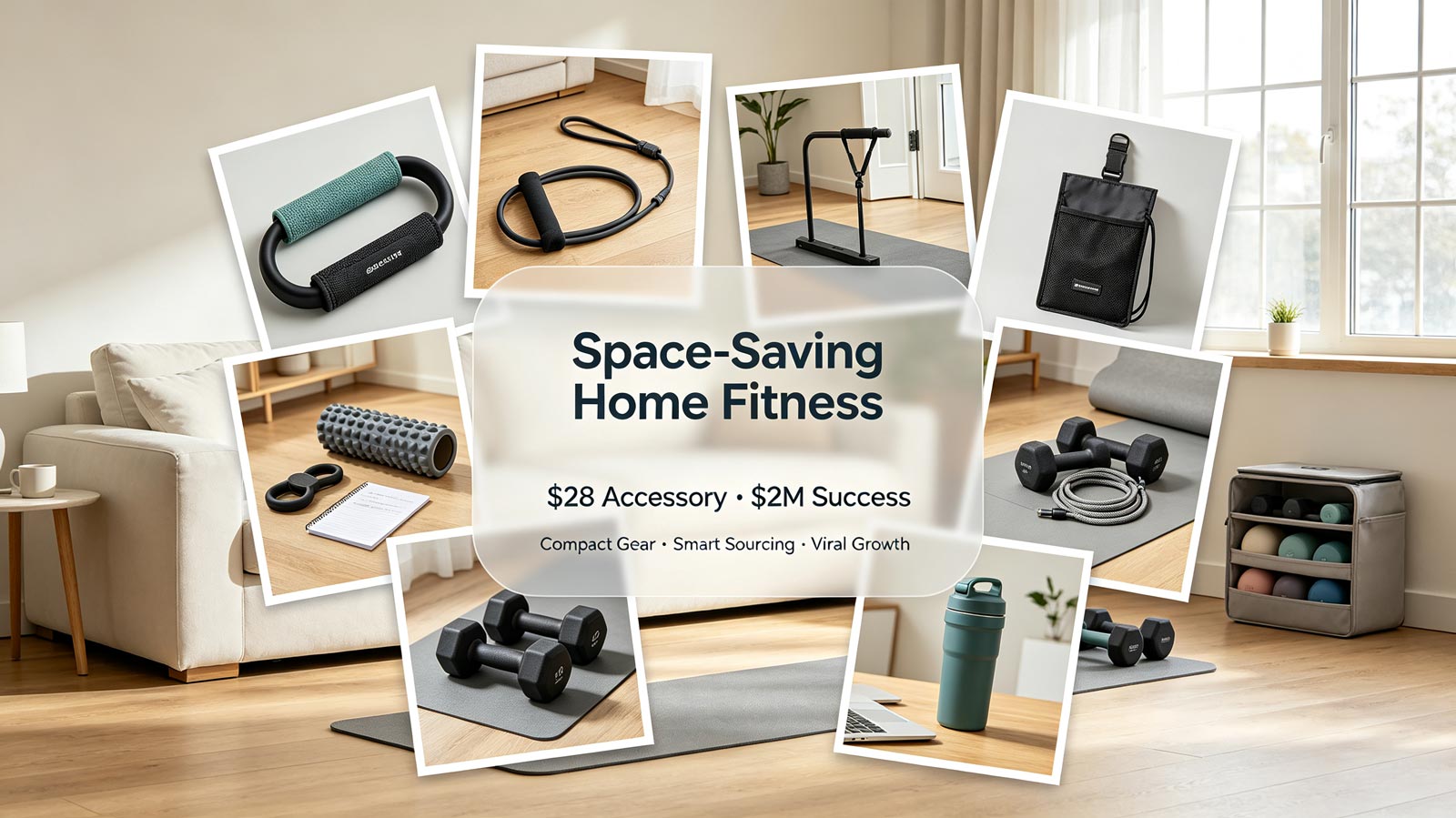
The $28 fitness accessory in question is a compact, multi-functional resistance band system designed for home workouts. Unlike bulky gym equipment, it caters to urban dwellers and fitness enthusiasts with limited space. Its success stems from three key factors: affordability, functionality, and convenience. The product delivers tangible value by enabling full-body workouts without requiring expensive gym memberships or heavy machinery.
Market research revealed that traditional resistance bands were often seen as flimsy or ineffective. This product addressed those concerns by incorporating durable materials, ergonomic handles, and versatile anchoring options. Its design allows users to perform over 50 exercises, making it a compelling alternative to weight racks and cable machines.
1.Low Barrier to Entry: At $28, the product is an impulse buy compared to $500+ home gym setups.
2.Space Efficiency: Fits in a drawer, appealing to apartment renters and minimalists.
3.Scalable Resistance: Modular bands accommodate beginners and advanced users alike.
The Market Gap and Consumer Psychology
Premium fitness equipment brands dominated the narrative around home workouts, leaving a gap for budget-conscious consumers. This product tapped into the psychology of “good enough” fitness—people wanted results without overcommitting financially or spatially. Surveys showed that 68% of home exercisers abandoned equipment due to clutter, while 42% avoided purchases over $50 for fear of underuse.
By positioning the accessory as a “try before you invest” solution, the creators capitalized on two trends: the rise of micro-workouts (short, frequent sessions) and the distrust of overpriced fitness gear. The product’s Amazon listing emphasized phrases like “gym-quality results” and “fits in your work bag,” directly addressing these pain points. User-generated content showcasing real transformations further validated its effectiveness.
Sourcing and Manufacturing Strategies
The product’s profitability hinged on strategic sourcing. Instead of opting for cheap, low-quality materials, the founders partnered with a Taiwanese manufacturer specializing in medical-grade latex. This ensured durability while keeping unit costs under $6.50. Key considerations included:
1.MOQ Negotiation: Secured a 5,000-unit minimum order by committing to quarterly replenishment.
2.Modular Design: Used interchangeable components to simplify assembly and reduce defects.
3.Drop Shipping: Tested demand via Shopify before scaling with FBA to minimize inventory risk.
Packaging was another critical factor. The product shipped in a slim, recyclable box with QR-linked tutorial videos, eliminating the need for costly inserts. This reduced shipping costs by 22% compared to traditional fitness equipment.
Marketing Playbook: From First Sale to $2M
The launch strategy combined targeted Facebook ads with organic influencer outreach. Early campaigns focused on “fitness procrastinators”—people who saved workout posts but never acted. Ad creatives showed time-lapse videos of the band being unpacked and used within 30 seconds, emphasizing immediacy.
A referral program turned customers into affiliates, offering free accessories for every three friends referred. This viral loop contributed to 35% of sales by Month 6. The brand also leveraged Reddit’s /r/homefitness community, sharing unfiltered behind-the-scenes footage of stress-testing prototypes to build trust.
1.Retargeting: Website visitors who abandoned carts received emails comparing the product’s cost to a single month’s gym fee.
2.Bundling: Later upsold compatible accessories (door anchors, carrying pouches) at 65% margins.
Conclusion: Replicating the Success
This $28 accessory’s journey to $2 million proves that solving specific frustrations beats competing on features. For entrepreneurs, the blueprint is clear: identify overlooked niches (like space-constrained fitness), source intelligently to protect margins, and market with relentless focus on consumer psychology. The next winning product might not be revolutionary—just relentlessly practical.
Action Steps: 1) Validate your concept with pre-orders via Kickstarter or Instagram polls, 2) Partner with manufacturers offering material certifications (e.g., ISO 9001), and 3) Design shareable unboxing moments to fuel organic growth. The era of minimal-equipment fitness is here, and the opportunities are anything but small.