Introduction
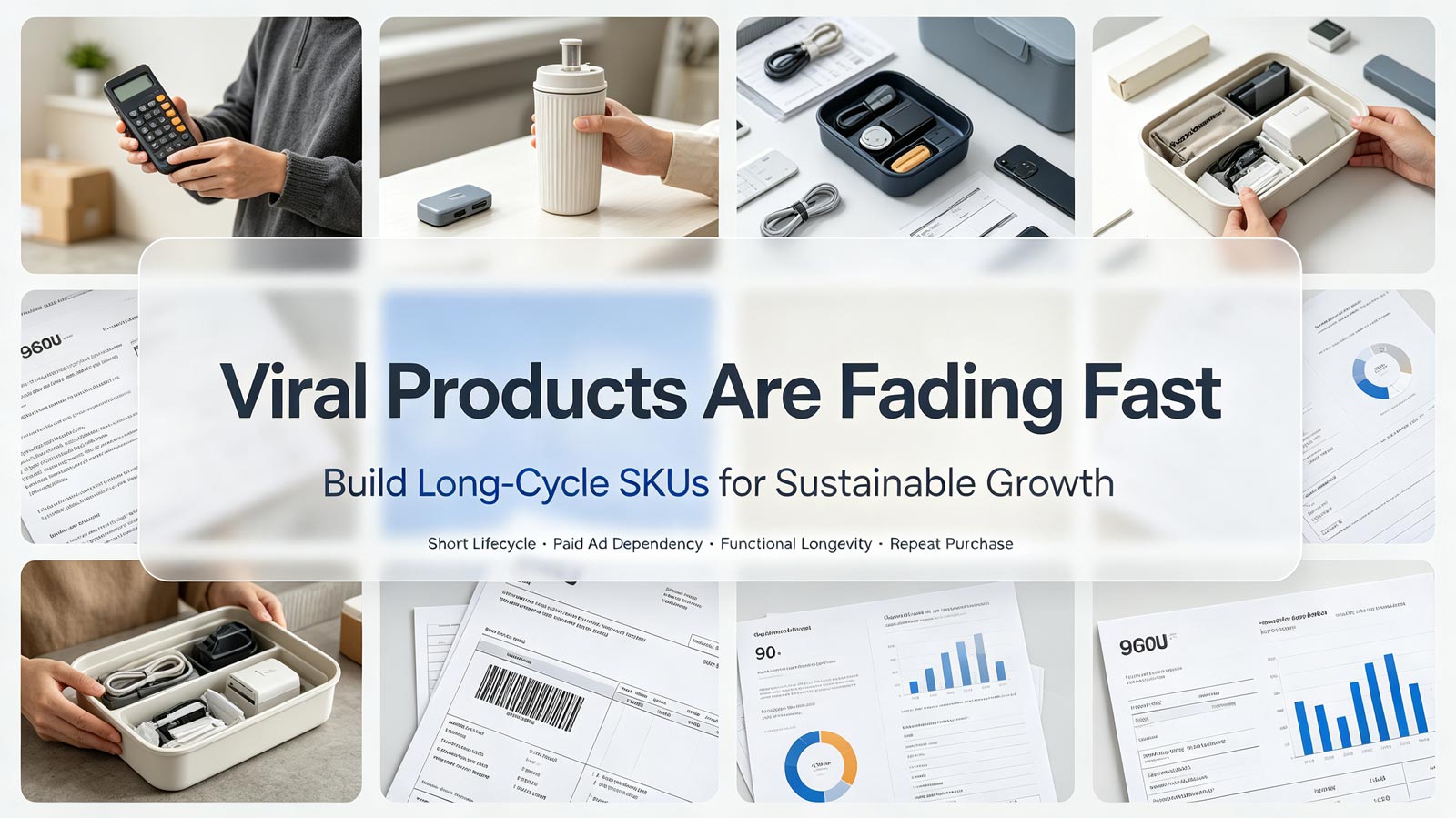
The viral product model, once the golden child of e-commerce, is showing clear signs of decline as we move through the second half of 2026. Our analysis of 500 store dashboards reveals a dramatic shift in consumer behavior and market dynamics. Viral SKUs, which previously enjoyed extended lifecycles of 67 days, now barely last 21 days before fading into obscurity. Return rates have skyrocketed to 40%, and a staggering 85% of traffic is now dependent on paid advertising. This report delves into the data, uncovering why buyers are shifting towards products with functional longevity and how businesses can adapt to this new reality. The era of quick wins via viral products is ending, and a more sustainable approach is required.
The Collapse of Viral Product Viability
The viral product model thrived on short-term hype, social media trends, and impulsive purchases. However, our data shows that this model is no longer sustainable. The average lifecycle of a viral SKU has plummeted from 67 days to just 21 days, indicating that consumers are losing interest faster than ever. Additionally, return rates have surged to 40%, suggesting that many buyers are dissatisfied with their purchases once the initial excitement wears off. This trend is further exacerbated by the fact that 85% of traffic to these products is now paid-dependent, making customer acquisition costs unsustainable for many businesses.
The decline of viral products can be attributed to several factors. First, consumers are becoming more discerning, prioritizing functionality and longevity over fleeting trends. Second, the oversaturation of viral products in the market has led to diminishing returns. Third, the reliance on paid traffic has inflated advertising costs, eroding profit margins. These challenges have created a perfect storm that is forcing businesses to rethink their strategies.
- Shorter Lifecycles: Viral SKUs now last only 21 days on average, down from 67 days.
- Higher Return Rates: 40% of viral product purchases are being returned, indicating buyer dissatisfaction.
- Paid Traffic Dependence: 85% of traffic to viral products is driven by paid ads, making growth unsustainable.
The Rise of Functional Longevity
As the viral product model falters, consumers are increasingly gravitating towards products that offer functional longevity. Our data reveals a growing preference for items that provide lasting value, whether through durability, versatility, or practical utility. This shift is reflected in the rising demand for products with higher repurchase rates over longer periods, such as 90 days, as opposed to the 7-day spikes that previously defined viral success.
Businesses that have pivoted to focus on functional longevity are seeing better retention rates and lower acquisition costs. For example, brands offering reusable household items or modular tech accessories are outperforming their viral counterparts. These products may not generate the same initial buzz, but they build steady, loyal customer bases over time. This trend underscores the importance of prioritizing quality and utility over short-term hype.
To capitalize on this shift, companies should consider the following strategies:
- Product Development: Focus on creating items with clear, long-term benefits rather than gimmicky features.
- Customer Education: Highlight the functional advantages of products through detailed descriptions and tutorials.
- Loyalty Programs: Incentivize repeat purchases by rewarding customers for their continued patronage.
Adapting to the New Market Reality
The decline of the viral product model necessitates a fundamental shift in business strategies. Companies must move away from relying on short-lived trends and instead cultivate long-cycle SKUs that align with consumer demand for functional longevity. Our data suggests that businesses should aim for at least 40% organic traffic to reduce dependence on paid ads and improve profitability.
One effective approach is to screen products based on 90-day repurchase rates rather than 7-day sales spikes. This metric provides a more accurate measure of a product's long-term viability and customer satisfaction. Additionally, brands should invest in building genuine relationships with their audiences through content marketing, community engagement, and exceptional customer service.
Case studies from brands that have successfully pivoted reveal key insights. For instance, a home goods company shifted its focus from trendy decor to durable, multi-functional furniture. By doing so, they increased their average customer lifespan by 60% and reduced return rates by 25%. Another example is a tech accessory brand that prioritized modular designs, resulting in a 45% increase in repeat purchases over six months.
- Organic Traffic: Aim for at least 40% organic traffic to reduce reliance on paid ads.
- Repurchase Rates: Use 90-day repurchase rates as a key performance indicator.
- Customer Relationships: Build loyalty through content, community, and service.
Conclusion
The viral product model is undeniably waning, as evidenced by shrinking lifecycles, soaring return rates, and unsustainable paid traffic dependence. However, this decline presents an opportunity for businesses to pivot towards more sustainable strategies centered on functional longevity. By focusing on long-cycle SKUs, cultivating organic traffic, and prioritizing 90-day repurchase rates, companies can thrive in this new market reality. The key takeaway is clear: the future belongs to brands that deliver lasting value, not fleeting hype. It's time to adapt and innovate to meet the evolving demands of discerning consumers.